Patent management for in-house legal teams
Run a better patent function from inside the company
Patentext helps legal teams catch more inventions earlier and manage the patent process more efficiently.
Patentext helps legal teams catch more inventions earlier and manage the patent process more efficiently.
In-house legal teams may already have good outside counsel and an established patent process. The harder problem is everything that happens before and around the filing itself.
Potentially patentable work is scattered across engineering teams, technical documents, design reviews, and everyday product development. Legal cannot be in every room, and traditional invention disclosure still depends on someone recognizing that an invention exists and deciding to submit it.
Patentext gives legal teams a different operating model. It starts before the application, and helps you keep more of the patent workflow inside the company while bringing in patent professionals where their expertise adds the most value.
Use the platform to manage invention and patent work internally, then bring in professional services when needed.
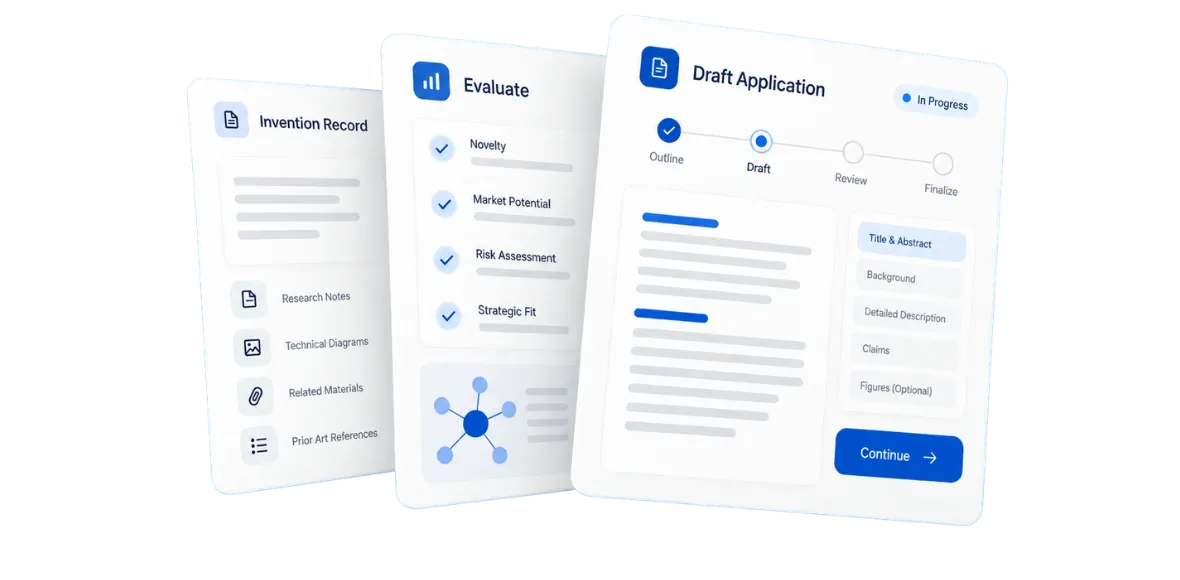
Use Patentext to capture inventions, evaluate what's worth protecting, and manage your patent work in one place.
Provisionals are $3,600 and non-provisionals are $5,700. Discounts available for bulk filers.
One connected process from invention to filed patent application
How it works
Patentext helps legal see more of what may be worth protecting and keep more of the patent process moving internally.
Patentable work does not always arrive through a formal disclosure. Patentext helps surface promising technical work from the places your teams are already building and documenting it.
That gives legal earlier visibility into opportunities that might otherwise never enter the patent process.
Capture the details needed to understand and evaluate an invention while the context is still fresh. Engineers can contribute asynchronously, reducing the need for repeated interviews, follow-up emails, and manual information gathering.
Review potential inventions with a clearer view of the underlying technology and business context before deciding whether to move forward. The goal is to make better decisions about what deserves protection.
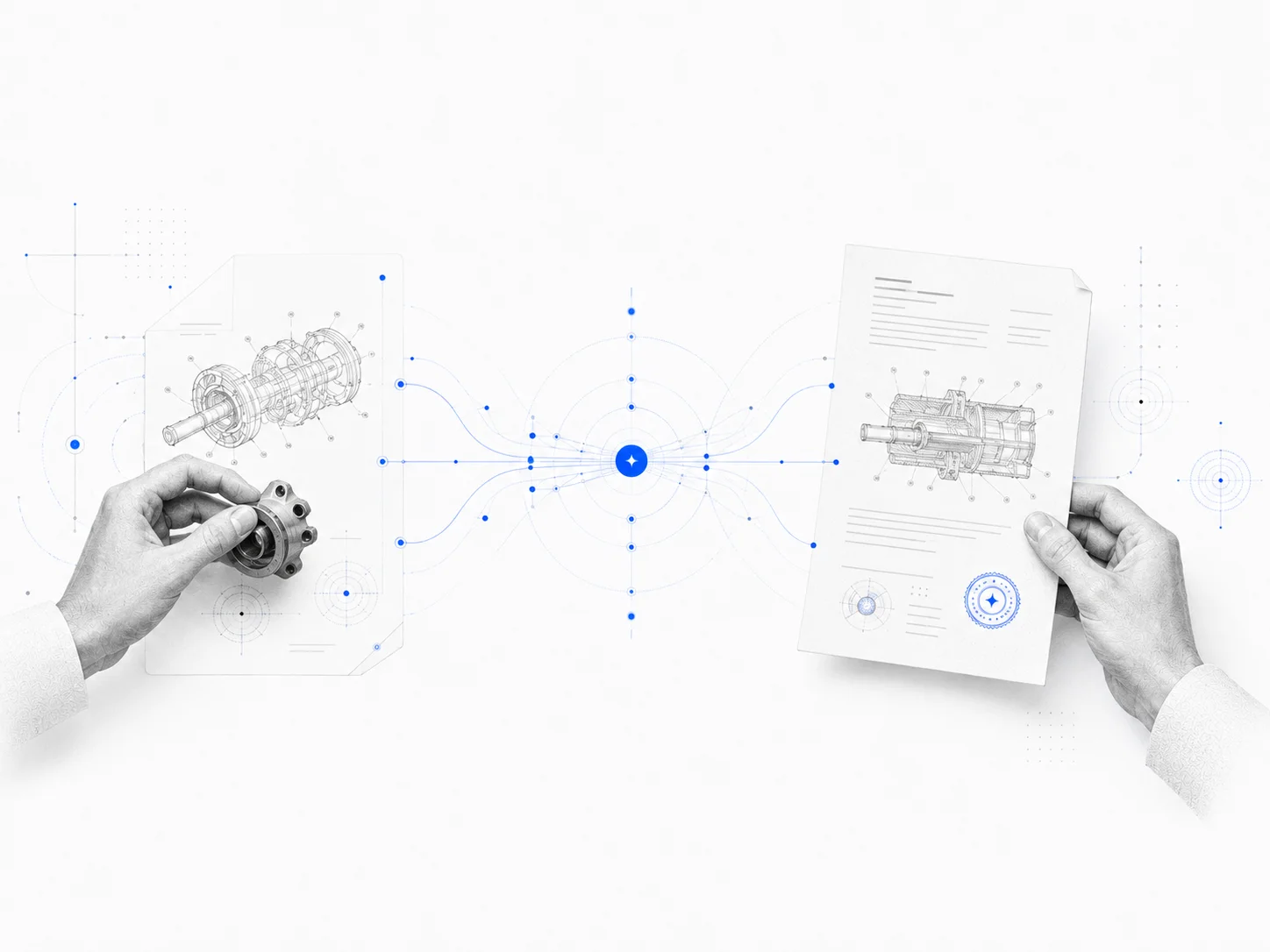
When a matter is approved, registered patent practitioners from Patentext Services can prepare and file the application. Because the invention has already been developed inside the platform, drafting begins with a stronger technical record instead of starting from scratch.
Track inventions, applications, deadlines, and pending decisions in one place so legal can see what is moving, what is waiting, and what still needs attention.
In-house patent management includes the work required to identify inventions, evaluate filing opportunities, coordinate inventors and patent professionals, manage applications, and maintain visibility across the portfolio. Patentext helps legal teams manage more of that work from inside the company.
Many patent management systems focus mainly on applications, deadlines, documents, and portfolio administration after a matter already exists. Patentext also addresses the work before filing, including invention discovery, technical development, prioritization, and internal patent decisions.
Traditional invention disclosure software generally depends on employees recognizing an invention and submitting it. Patentext can help surface potentially patentable work earlier, then move those opportunities into a structured process for development, evaluation, and filing.
Yes. Patentext can be used as the internal system for invention discovery, development, prioritization, and portfolio visibility while your company continues to work with existing outside counsel. Patentext Services also offers drafting, filing, and prosecution support through registered patent practitioners.
One way is to keep more of the upstream patent workflow inside the company. Technical information gathering, internal prioritization, coordination, and status tracking do not always require outside-counsel time. Patentext helps structure that work so professional resources can be used more selectively.
That is one of the main problems Patentext is designed to address. Potentially patentable work can emerge in ordinary engineering and product activity without becoming a formal invention disclosure. Patentext helps legal surface and develop those opportunities earlier.
No. Patentext is designed to reduce unnecessary dependency on outside counsel, not eliminate professional patent expertise. Legal teams can use the platform to manage more of the process internally while involving registered patent practitioners from Patentext Services where drafting, filing, prosecution, or professional judgment is required.
Expand what your team can see and manage without adding more manual coordination or relying on outside counsel for every step.
Schedule a demo